Category Archives: Emergency Management

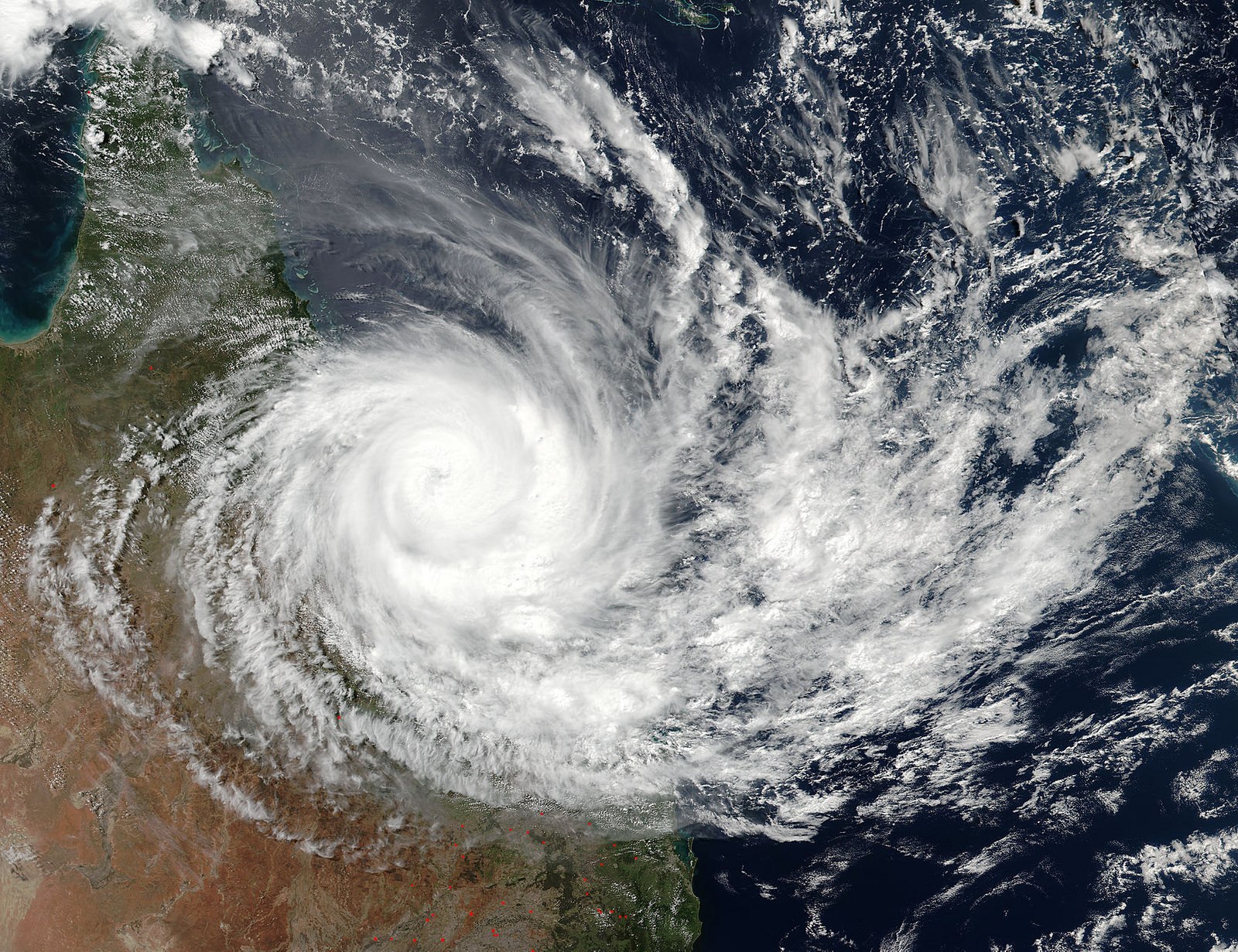
Photo of TC Debbie

Flood Community Education & Awareness

This critical aspect of floodplain management is really being overlooked as probably the key tool in reducing the impact of flooding overall (outside of prevention/structural mitigation etc.)  And in my view, it is done quite poorly.

The first steps to increasing awareness in the community is simple things like developing websites with flood awareness information.  But in all honesty, I’m continually asked by members of the community to still interpret this information – people just don’t understand it.  So in that regard, we cant simply push information to a portal and wipe our hands- job done.

What we need is largescale community education campaigns that are face to face.  This is missing.  Whilst its not possible or practical to undertake face to faced education and consultation for all flood affected community members, I believe it absolutely should be for high flood risk residents.

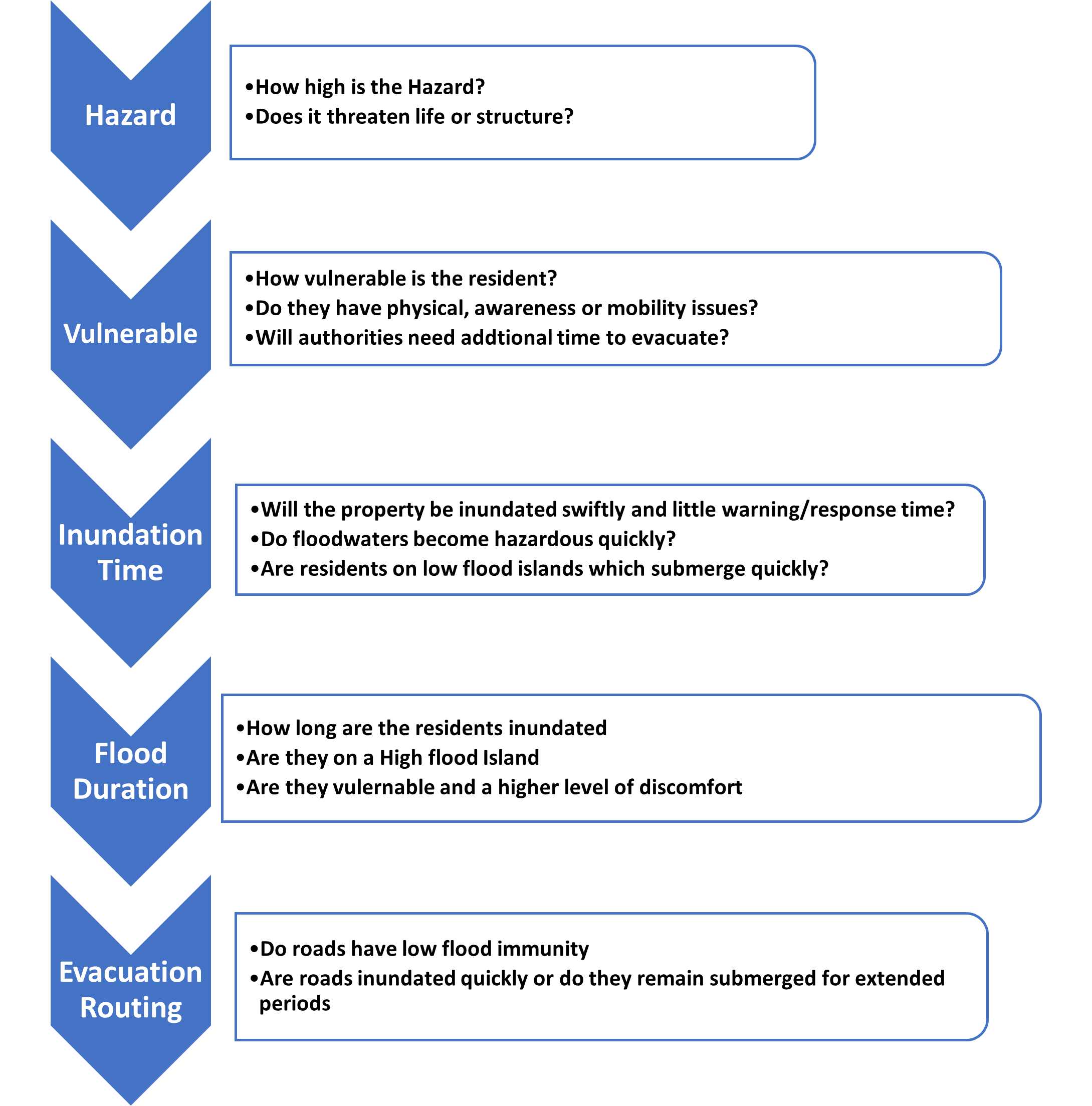
When I say flood risk, I don’t just mean impacted by flooding I mean a combination of factors leading to a resident being high flood risk which could include:

  • Community members that are vulnerable (low awareness, social issues, disabilities etc.). We can use census information and local intelligence to target these members and in addition tailor our engagement techniques to suit different vulnerabilities.
  • High hydraulic risk. A combination of high flood frequency and high flood hazard leads to significantly increased flood risk.  We can use outputs of flood models in this way to further prioritise residents for face to face engagement.
  • Other factors such as flood warning time and length of flood inundation. This might involve educating residents on where they live, what type of flooding they might encounter.  In addition, some residents may live on high flood islands and be surrounded (but not inundated) by flood waters for many days.  This information and understanding may help residents have additional mechanisms to deal with this threat (back up supplies, emergency kits etc).

There is a push more to make the community responsible for themselves and their own actions.  And the reality is, this is somewhat necessary.  But we cant do that without equipping the community with the information they need and this requires extensive investigation and implementation at a face to face scale.  Other techniques like educating community groups and champions can also be a powerful way for bottom up education and resilience in the community.  We need the bottom up and top down education campaigns together.

Contemporary approaches to FM planning consider these aspects, and it is important to have professionals involved in this space that have an understanding of all the elements and mitigation techniques for FM planning.

An approach such as this can help authorities priortise limited resources into the areas needed.  Couple with advanced flood impact based intelligence and forecasting systems, this can also provide innovative ways to undertake a risk based approach to managing flooding.

This is an evolving space in floodplain and emergency management, and as the tools, techniques and technology improve, we can get better at managing our flood risk with multiple tools.

Evacuation and Shelter in Place Assessment

Anybody who has been involved in an actual flood event will recognize that one of the issues in responding to these floods is the shear scale, complexity and lack of resources available.

Currently, understanding evacuation and sheltering in place is very difficult, perhaps until now.  Traditional assessments are based on the fact that when someone is flooded, there is an expectation to cater for evacuation.  But more often than not, trying to do that results in fatalities and has been proven to be far more dangerous in some circumstances.

So, what do we do?  We can’t evacuate everyone, its simply not possible for a variety of reasons.  So, we need to understand flood risk intimately prior to and during an event.  Rather than throwing a wide berth of a flood line and each property that line touches must be tendered to, we need to understand who can remain safely (with some level of discomfort for a short time) and who is at real risk of perishing.  In large scale flood events, authorities simply cannot get to everyone.

So the potential way to do this is by taking a triage style approach to managing flood risk.  Manage those that have fast inundation times, high hazard, potentially trapped on low flood islands and who are vulnerable.  They absolutely need to be evacuated as a priority.  Outside of those at risk of perishing, we are leaving those in discomfort to shelter in place – we also can’t forget that those people may be vulnerable and inundated for very long periods of time or trapped on high islands without supply as an example.

Shelter in Place

An approach such as this can help authorities priortise limited resources into the areas needed.  Couple with advanced flood impact based intelligence and forecasting systems, this can also provide innovative ways to undertake a risk based approach to managing flooding.

This is an evolving space in floodplain and emergency management, and as the tools, techniques and technology improve, we can get better at managing our flood risk with multiple tools.


Total Flood Warning Systems Approach

A Total Flood Warning Systems Approach is becoming more important than ever.

Structural flood mitigation solutions are often seen as a silver bullet. But as this infrastructure continues to fail internationally, communities become complacent behind this infrastructure, we continue to build into floodplains and climate change increases the severity of flood events……..a TFWSA approach is crucial.

Synergy has produced many articles and presentations on topics such as this (as well as training), however we thought it was time to provide an overview of the services we also provide in this space.

Total Flood Warning Systems Approach and Services

Our Director Adam Berry is a well known and respected professional operating within this space.  He has managed flood intelligence teams, built flood forecasting systems, managed flood gauge networks, is qualified operator within LDCC’s and has forecaster many flood events ahead of time.

Adam has worked alongside the BoM in past flood events, been involved in the national Flash Flood Advisory Group and has shaped and pioneered flash flood forecasting in Australia.  His advice is in demand around Australia and internationally and he also provides training for flood intelligence and emergency management professionals.

Follow Synergy on Linkedin to find out more.


Photo of TC Debbie

A Flood Engineer is NOT a Flood Forecaster

This article provides an overview of a what a flood forecaster does and how they do it.  It is part 1 of a planned series on aspects of flood forecasting and flood intelligence.

Part 1 Article

Our Director Adam Berry is a well known and respected professional operating within this space.  He has managed flood intelligence teams, built flood forecasting systems, is qualified operator within LDCC’s and has forecaster many flood events ahead of time.

Adam has worked alongside the BoM in past flood events, been involved in the national Flash Flood Advisory Group and has shaped and pioneered flash flood forecasting in Australia.  His advice is in demand around Australia and internationally and he also provides training for flood intelligence and emergency management professionals.

As a proven operator within the forecasting space, we think he knows a thing or two about the subject 🙂

Follow Synergy on Linkedin to see the next instalment at a later date


Follow us on Linkedin